
Let’s Not Forget One of Our Most Famous Willard Legacies
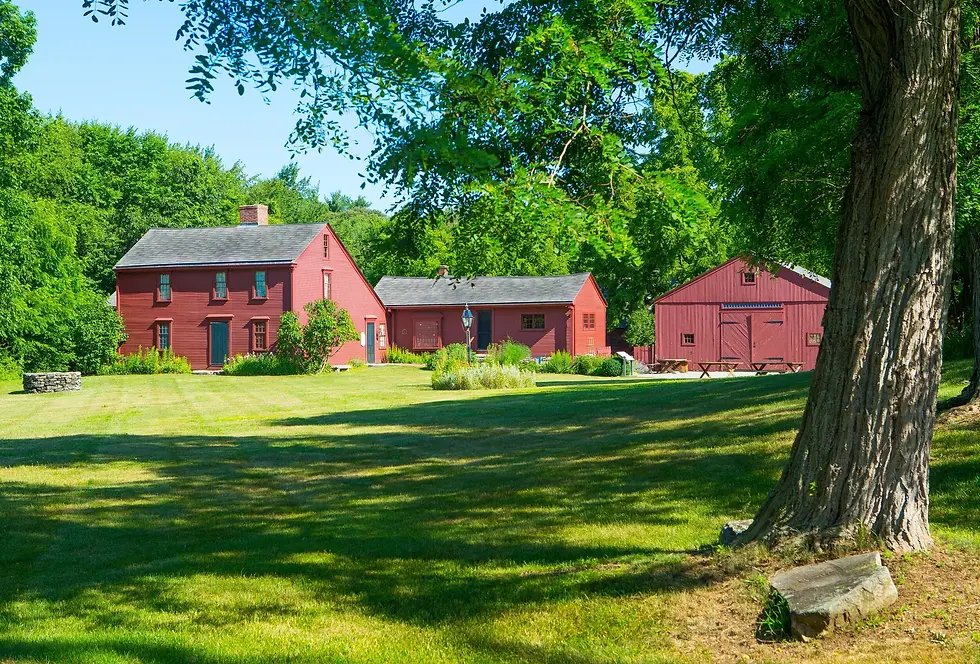
Tucked away down a country road in Grafton, Massachusetts, sits one of the most overlooked treasures in our American history: the Willard House & Clock Museum. Built around 1718 as the Joseph Willard family homestead, the property took on a new life in 1766, when Joseph’s grandson Benjamin — after studying horology, the science of clockmaking — turned part of it into a workshop. His three younger brothers, Simon, Ephraim, and Aaron, learned the craft, joined their brother, and together the four siblings launched a clockmaking company that would define an entire era of American design. Today the museum holds the largest collection of Willard clocks in the world, over 90 timepieces on display inside the very house and workshop where it all began.
Simon Willard stood out among the four as the true visionary. In 1802 he patented the “Improved Timepiece” — better known today as the banjo clock — a design so enduring it’s still being reproduced more than two centuries later. His reputation transcended their local shop right into the highest halls of government: the museum holds original documents signed by Thomas Jefferson and James Madison, and in 1827 Madison personally gifted Simon a walking stick. Willard clocks were so sought-after that counterfeiters were already copying them during his own lifetime.
And where did all these historic timepieces end up? Willard clocks are still keeping time in some remarkably prestigious places: the U.S. Capitol’s Statuary Hall and both legislative chambers, Boston’s Old State House, and the halls of Harvard University and the University of Virginia. If the sound of ticking clocks gets your ticker going, plan a visit and spend an afternoon surrounded by Willard family history.


Comments